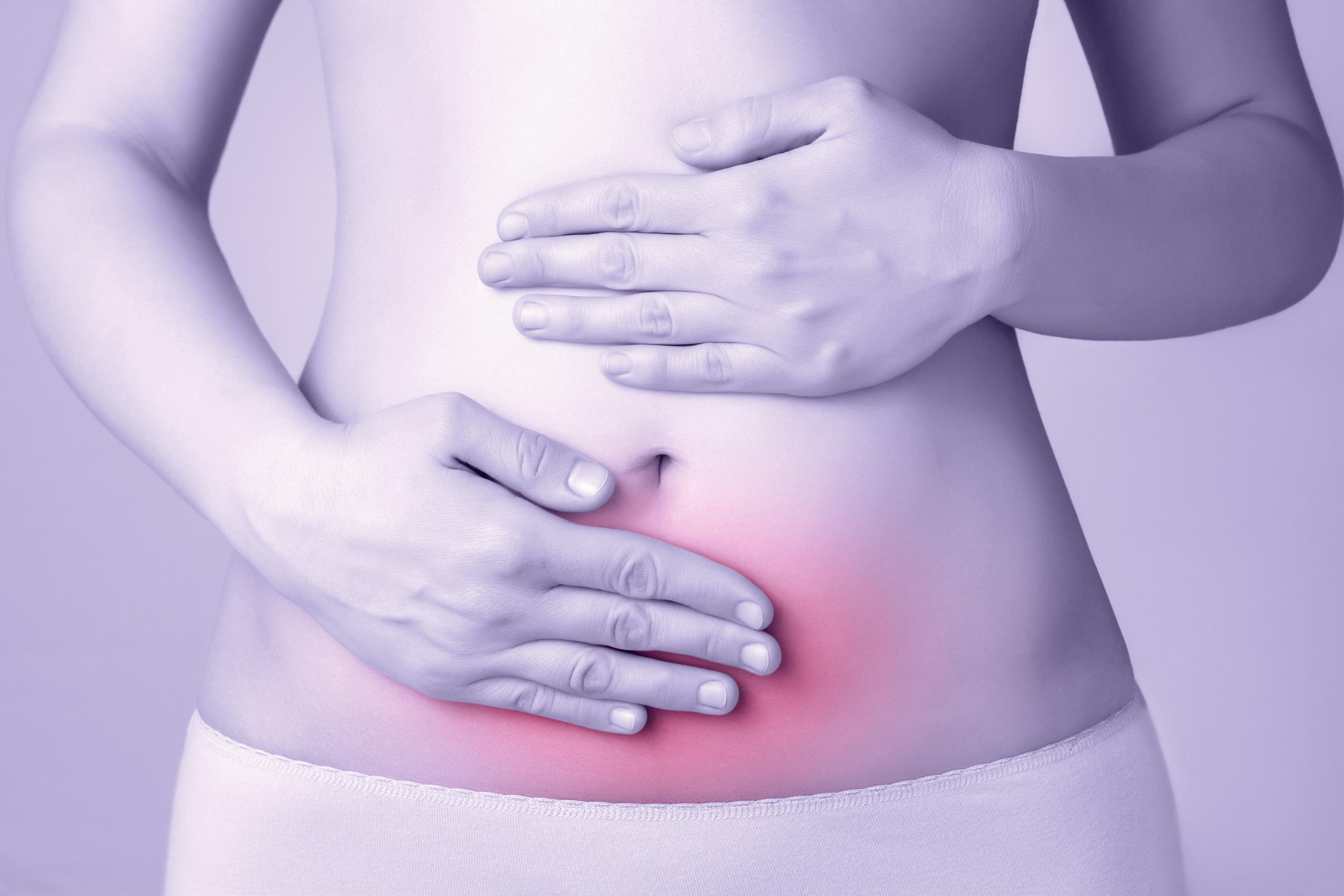



What’s New in July 2011


Fertility Hour through conference

Meet the Doctor, from your own home.  Now you will have a chance to speak with Dr. Leonor Murciano-Chen and learn how to increase your fertility quotient, through our phone Fertility hour.

 Dr. Murciano-Chen will spend 45 min. discussing:

  • Acupuncture, its benefits, & if it’s right for you?
  • What’s the best Nutritional Advice for Conception?
  • Nutrients, Supplements & Herbs?
  • Meditation & Emotional Balance?
  • What else can you be doing?
  • How to regain Hope?
  • Increase your IVF & IUI conception rates..


July & August

   Tuesdays @ 5:00pm

July 12, 2011

July 26, 2011

August 02, 2011

August 23, 2011

July & August

   Saturdays@1:30pm

July 16th, 2011

July 30th, 2011


Women’s Care package..what element do you need.?


New Book Release, “Feminine Wisdom: Rise of A New Creation” 2011


for women that are faced with fertility challenges”

Feminine Wisdom: Rise of a New Creation is a gem of a book. Beautifully written and highly practical. This is a manual for tapping into the wonder of our creative feminine essence.”

Christiane Northrup, M.D., ob/gyn physician and author of the New York Times bestsellers: Women’s Bodies, Women’s Wisdom  and The Wisdom of Menopause

“The only true healer is within; that heart wisdom that calls us to the awareness of our miraculous potential. Dr. Murciano-Chen invites us into the most courageous realm of radical feminine transformation where we can find true healing – physically, mentally, emotionally and spiritually.”

Randine Lewis, Ph.D., L.Ac.
Founder of The Fertile Soul
Author of The Infertility Cure and The Way of the Fertile Soul


Now available on Amazon.com

Also available on our website store

or at any Barnes & Noble.com or local store


Feminine Wisdom: Rise of A New Creation – Integrative Medicine enhances Reproductive Endocrinology and Unlocks Secrets for Overcoming Female Sterility

           A new approach to women’s fertility problems is offered by Leonor Murciano-Chen, doctor of Oriental Medicine, in Feminine Wisdom: Rise of a New Creation.   Her Nourishing Women™ system combines the best of Chinese medicine and an integrative approach to offer hope to the 6.1 million women who have trouble conceiving or bringing a pregnancy to full term.

            Murciano-Chen has helped thousands of women as founder of the Nourishing Women Wellness Center in South Florida.  She uses integrative medical practices to heal the hearts and health of women. The three-step program focuses on emotional, mental, and spiritual healing. (Nourish physical body, Cultivate inner consciousness and Nurture with wellness products).

            Murciano-Chen has worked intensively with reproductive endocrinologists in the field of infertility. She is the first physician to adopt of the first pre- and post- acupuncture protocol combined with In Vitro Fertilization treatment, here in the U.S., adapted from the German study in 2001.  [What does pre-acupuncture and post-acupuncture mean? Do you mean acupuncture is used before and after the in vitro procedure?- YES ( and I was the first physician to start using that procedure here… now many clinics do it..it is very well known… I took the points from the study… and used most of those but tweeked it a little]

            Murciano-Chen approach uses acupuncture, herbology, nutrition, meditation, spiritual healing and counseling. In conjunction with publication of the Feminine Wisdom, Chen has introduced Nourishing Women™ Therapeutic Products that use pure aroma essences to balance body and soul in the tradition of Chinese medicine.

            The first step Murciano-Chen discusses in Feminine Wisdom is helping the woman discover “an innate deeper truth of her feminine wisdom, transforming old patterns of guilt, hopelessness and fear.”  Case histories illustrate how the process starts.

            The second step clears negative thinking and develops positive visualizations.  “I firmly believe that health is a reflection of deeper states of our being; therefore infertility can be addressed by looking at the whole picture and unraveling the emotional, mental and spiritual layers, as well as exploring wholistic therapies to care for the physical body,” Murciano-Chen says.

            The third step is transforming the energy field and its interaction with the physical body. The Nourishing Women™ products use botanical oils for perfume, bath salts, and soap to facilitate this process.  Murciano-Chen also recommends a healthy natural foods program.

            Last, Murciano-Chen tutors her patients in the spiritual dimensions of feminine wisdom. Murciano-Chen explains, “The Real Medicine is the healing that comes by honoring our Truth of the Divine within. As women, that deep wisdom is weaved innately in the very soul of our being; in the soul of the Feminine.”

            Feminine Wisdom offers a complete, integrative approach to “helping women regain hope and health, when faced with fertility challenges,” Murciano-Chen emphasizes. The book is available for $35.00 at BarnesandNoble.com, Amazon.com and NourishingWomen.com.


Secrets of the Feminine

Secrets of the Feminine

FREE GLOBAL CLASS

OCTOBER 11, 2011 

6:00PM-7:30PM eastern


REGISTRATION IS FREE

REGISTER HERE

Have you ever asked yourself what does it mean to be a Woman?… Most of us have not really pondered that question and yet we live under the unconscious limiting images and beliefs ingrained within us from our societal culture.  Unfortunately, in the last 2000 years women have been challenged severely in many ways, some obvious and others, thus unconsciously we carry many generations of pain, judgment & anger against ourselves. Most of these hidden judgments, as well as unrealistic expectations, create ongoing suffering which contributes to our physical and emotional disorders of physical pain, infertility, menstrual disorders, menopausal disorders, depression, anxiety disorders, panic, hopelessness, general disillusion, cancer and many more.  Our physical bodies are a reflection of what is happening on these deeper subtle aspects of our being.  In order to create health and wellbeing, both emotionally and physically, we must address these underlying conflicts.  

Now is the time to shed some of these judgments and begin to honor the true essence of the Feminine within, not in a way that dishonors men, or the male energy, but in a way in that complements it, each valuable in their own right.  We heal as we step in to deal with our deepest pain about ourselves and what we have been led to believe about what our roles are as mothers, wives, professionals, etc.; what we deserve or don’t deserve, what mistakes we have made and what we haven’t forgiven ourselves for.

 Mystical Practices & Ancient Secrets

  Our sessions will allow us to explore the Secrets of the Feminine Essence through the use of Spiritual Teachings, Healing Meditations, Women’s group support and sharing,   Asian 5 element theory, Sufi mysticism, Breathwork, Chakras, Mantras and Middle Eastern mysticism.   

Change our Inner World… Change our Outer Reality

Group Objectives  

  •  Learn the deeper meaning of the root of your physical, mental or emotional suffering, challenges or pain, as you explore how to listen to the body’s messages to resolve the suffering and start living in joy, beauty and love.
  •  Helpful for those suffering with physical pain, depression, panic, or women’s issues of menstrual, hormonal, fertility, menopause and just plain unhappiness.
  •  Heal lingering anger and resentment by delving into our darker shadow side of personality and bringing what is needed in our hearts and learning how to receive that.
  •  Explore teachings about forgiveness, shame and judgment and coming to terms with what your heart really needs.
  •  Clear deep disappointments that you have lived with until now.
  •  Explore how to live in joy and peace within yourselves and how to completely honor your own feminine, ending the cycle of shame and pain.
  •  Address the underlying anger, resentment and judgment most women feel about their own physical bodies and their own role of being a woman.

  Key Concepts  

  •  We believe a new era is upon us and women are bringing forth the true balance of the definition of being nurturing, compassionate, living in peace and love; for ourselves and our world.  Before we are able to do that we have to find these qualities within ourselves and heal any places that are blocking that truth from its existence.
  •  We believe that women carry the sacred essence of manifesting spirit into matter, and thus there is a holiness at our very core of who we are.
  •   We believe that neglecting ourselves only causes pain and suffering, and yet we have not been taught how to be responsible for ourselves spiritually, emotionally and physically. By not doing so, we have accumulated tremendous amount of pain and suffering within our being.
  •  We believe that it is possible to live in health, wellbeing, peace and love.  Our bodies and our lives are reflections of a deeper dynamic that lives within ourselves.  When we are experiencing pain, either physically or otherwise, it is a call for attention, something to heal, in order for us to move from pain and suffering to love and peace. 


FREE GLOBAL CLASS

OCTOBER 11, 2011

6:00pm-7:30pm eastern

REGISTER HERE


Secrets of the Feminine

Women Series Program will consist of:

A women’s series consisting of three month program, October, November, December.

  • Group sessions @ introductory offer for $59.00 a month.

  • All sessions are recorded for easy access.

  • All session @ 6:00pm -7:30pm eastern time.

Classes on October 11, 18, 25.

Classes on November 08, 15, 22.

Classes on December 06, 13, 20.


Secrets of the Feminine 2012

Ongoing Women’s Series

Thereafter, the Women’s Series will continue monthly with three group sessions a month, which you may join as you feel the need for support and transformation.

  • Group Sessions first three Tuesdays of the month.
  • Group Sessions: 6:00pm-7:30pm eastern time.
  • Cost: $79.00 a month.
  • Cost: $69.00 a month ( 3 month registration).
  • Cost: $59.00 a month ( 6 month registration).


Secrets of the Feminine Women’s Series offered by Dr. Leonor Murciano-Chen, physician, spiritual healer, minister, author of “Feminine Wisdom: Rise of a New Creation” and founder of Nourishing Women Wellness.

 Explorations of the Divine Feminine in Sufism, and other mystical traditions…

“Woman is the radiance of God; she is not your beloved.  She is the Creator- you could say that she is not created.”  (Rumi)

“To know Woman is to know oneself, and Whoso knoweth his self, knoweth his Lord.” (Ibn Arabi)

“The process of giving birth to the spirit is the feminine principle.  That to which has been given rebirth, only the masculine principle can be born, for the feminine principle is the process itself.  Once birth is given to the spirit, this principle remains as Fatima, the Creative Feminine, the Daughter of the Prophet, in a state of potentiality within the spirit reborn. 

“I am al-Rahman.  I created the womb and I derived its name from My name.  I will be connected to whoever stays connected to it, and I will be  cut off from whoever stays cut off from it.”  Hadith Qudsi

We see the Divine Feminine , as the Source of Life, being expressed first by the means that humans may understand the Divine Feminine, in other words, Wisdom, being a Feminine word, second by the two most holy names of Allah: al-Rahman and al Rahim which express in a universal way ( spanning cultures as varied as Egyptioan, Hittitie and Celtic that the Source of Life is the Divine Feminine.

The perfection of the human state, al- insan al kalil, means the perfection of both the masculine and feminine qualities together.

REGISTER HERE

BEFORE

OCTOBER 11, 2011


Study: Influence of Acupuncture on the Pregnancy Rate in Patients Who Undergo Assisted Reproduction Therapy

INFLUENCE OF ACUPUNTURE ON THE PREGNANCY RATE IN PATIENTS WHO UNDERGO ASSISTED REPRODUCTION THERAPY

Wolfgang E. Paulus, M.D.,[a] Mingmin Zhang, M.D.,[b] Erwin Strehler, M.D.,[a]
Imam El-Danasouri, Ph.D.,[a] and Karl Sterzik, M.D.[a]

Christian-Lauritzen-Institut, Ulm, Germany


Result(s): Clinical pregnancies were documented in 34 of 80 patients (42.5%) in the acupuncture group, whereas pregnancy rate was only 26.3% (21 out of 80 patients) in the control group.

FERTILITY AND STERILITY® VOL. 77, NO. 4, APRIL 2002
Copyright ©2002 American Society for Reproductive Medicine
Published by Elsevier Science Inc., Printed on acid-free paper in U.S.A.Received June 5, 2001; revised and accepted October 16, 2001.
Reprint requests: Wolfgang E. Paulus, M.D., Christian-Lauritzen-Institut, Frauenstr. 51, D-89073, Ulm, Germany (FAX: ++49-731-9665130; E-mail: paulus@reprotox.de).
[a] Department of Reproductive Medicine, Christian-Lauritzen-Institut.
[b] Department of Traditional Chinese Medicine, Tongji Hospital, Tongji Medical University, Wuhan, People’s Republic of China.
0015-0282/02/$22.00
PII S0015-0282(01)03273-3
Objective:To evaluate the effect of acupuncture on the pregnancy rate in assisted reproduction therapy (ART) by comparing a group of patients receiving acupuncture treatment shortly before and after embryo transfer with a control group receiving no acupuncture.Design: Prospective randomized study.

Setting: Fertility center.

Patient(s): After giving informed consent, 160 patients who were undergoing ART and who had good quality embryos were divided into the following two groups through random selection: embryo transfer with acupuncture (n = 80) and embryo transfer without acupuncture (n = 80).

Intervention(s): Acupuncture was performed in 80 patients 25 minutes before and after embryo transfer. In the control group, embryos were transferred without any supportive therapy.

Main Outcome Measure(s): Clinical pregnancy was defined as the presence of a fetal sac during an ultrasound examination 6 weeks after embryo transfer.

Result(s): Clinical pregnancies were documented in 34 of 80 patients (42.5%) in the acupuncture group, whereas pregnancy rate was only 26.3% (21 out of 80 patients) in the control group.

Conclusion(s): Acupuncture seems to be a useful tool for improving pregnancy rate after ART. (Fertil Steril®2002;77:721- 4. ©2002 by American Society for Reproductive Medicine.)

Key Words: Acupuncture, assisted reproduction, embryo transfer, pregnancy rate

Acupuncture is an important element of traditional Chinese medicine (TCM), which can be traced back for at least 4,000 years. Acupuncture has been shown to alleviate nausea and vomiting, dental pain, addiction, headache, menstrual cramps, tennis elbow, fibromyalgia, myofascial pain, osteoarthritis, carpal tunnel syndrome, and asthma. Both physiologic and psychological benefits of acupuncture have been scientifically demonstrated in recent years.

However, so far there have been only a few serious trials concerning the use of acupuncture in reproductive medicine. Publications focus primarily on acupuncture therapy for male infertility (1, 2). Electroacupuncture may reduce blood flow impedance in the uterine arteries of infertile women (3). A positive impact of electroacupuncture on endocrinologic parameters and ovulation in women with polycystic ovary syndrome has been demonstrated (4). In addition, auricular acupuncture was successfully used in the treatment of female infertility (5). In the present study, we chose acupuncture points that relax the uterus according to the principles of TCM. Because acupuncture influences the autonomic nervous system, such treatment should optimize endometrial receptivity (6). Our main objective was to evaluate whether acupuncture accompanying embryo transfer increases clinical pregnancy rate.

Materials and Methods
This study was a prospective randomized trial at the Christian-Lauritzen-Institut in Ulm, Germany. It was approved by the ethics committee of the University of Ulm. A total of 160 healthy women undergoing treatment with in vitro fertilization (IVF; n = 101) or intracytoplasmic sperm injection (ICSI; n = 59) were recruited into the study. The age of the patients ranged from 21 to 43 (mean age: 32.5 = 4.0 years). The cause of infertility was the same for both groups (Table 1). Only patients with good embryo quality were included in the study. Using a computerized randomization method, patients were assigned into either the acupuncture group or the control group.

Table 1
Descriptive data on acupuncture and control group (mean ± SD or total number).

 
  Control group Acupuncture group Statistics
  (n = 80) (n = 80) Statistics
 
Age of patients (years) 32.1 ± 3.9 32.8 ± 4.1 NS
No. of previous cycles 2.0 ± 2.0 2.1 ± 2.1 NS
No. of transferred embryos 2.1 ± 0.5 2.2 ± 0.5 NS
IVF (n) 54 47 NS
ICSI (n) 26 33 NS
No. of cycles with male factor infertility 46 47 NS
No. of cycles with tubal disease 21 22 NS
No. of cycles with polycystic ovaries 2 2 NS
No. of cycles with unknown cause of infertility 11 9 NS
Endometrial thickness (mm) 9.9 ± 2.7 9.1 ± 2.4 NS
Plasma estradiol on day of embryo transfer (pg/mL) 1001 -± 635 971 ± 832 NS
Pulsatility index of uterine arteries (PI) before embryo transfer 2.00 ± 0.56 2.02 ± 0,45 NS
Pulsatility index of uterine arteries (PI) after embryo transfer 2.19 ± 0.52 2.22 ± 0,44 NS
Pregnant 21/80 (26.3%) 34/80 (42.5%) P=.03
 

NS = not significant (P>.05).
Paulus. Acupuncture in ART. Fertil Steril 2002.

Ovarian stimulation, oocyte retrieval, and in vitro culture were performed as previously described (7). Transvaginal ultrasound-guided needle aspiration of follicular fluid was performed 36 to 38 hours after hCG administration. Immediately after follicle puncture, the oocytes were retrieved, assessed, and fertilized in vitro. Sperm preparation and culture conditions did not differ for either group.

In cases of severe male subfertility, ICSI was preferred, as described in the literature (8). Forty-eight hours after the IVF or ICSI procedure, embryos were evaluated according to their appearance as type 1 or 2 (good), type 3 or 4 (poor), as described in literature (9).

Just before and after embryo transfer, all patients underwent ultrasound scans of the uterus using a 7-MHz transvaginal probe (LOGIQ 400 Pro, GE Medical Systems Ultra-sound Europe, Solingen, Germany). Pulsed Doppler curves of both uterine arteries were measured by one observer. The pulsatility index (PI) for each artery was calculated electronically from a smooth curve fitted to the average waveform over three cardiac cycles.

A maximum of three embryos, in accordance with German law, were transferred into the uterine cavity on day 2 or 3 after oocyte retrieval. For embryo replacement, the patient was placed in a dorsal lithotomy position, with an empty bladder. The cervix was exposed with a bivalved speculum, then washed with culture media prior to embryo transfer. Labotect Embryo Transfer Catheter Set (Labotect GmbH, Go¨ ttingen, Germany) was used for atraumatic replacement owing to the curved guiding cannula with a ball end, allowing the set to be used reliably even with difficult anatomic conditions. The metallic reinforced inner catheter shaft al lowed safe passage through the cervical canal. When the catheter tip lay close to the fundus, the medium containing the embryos was expelled and the catheter withdrawn gently. After this procedure, the patient was placed at bed rest for 25 minutes. All oocyte retrievals and embryo transfers were performed by one examiner using the same method. The examiner was not aware of the patient’s treatment group (control or acupuncture).

At the time of the embryo transfer, blood samples (10 mL) were obtained from the cubital vein. Plasma estrogen was determined by an immunometric method using the IMMULITE 2000 Immunoassay System (DPC Diagnostic Product Corporation, Los Angeles, CA).

Luteal phase support was given by transvaginal progesterone administration (Utrogest®, 200 mg, three times per day; Kade, Berlin, Germany). Progesterone administration was initiated on the day after oocyte retrieval and was continued until the serum ß-hCG measurement 14 to 16 days after transfer and, in cases of pregnancy, until gestation week 8.

Each patient in the experimental group received an acupuncture treatment 25 minutes before and after embryo transfer. Sterile disposable stainless steel needles (0.25 X 25 mm) were inserted in acupuncture point locations. Needle reaction (soreness, numbness, or distention around the point = Deqi sensation) occurred during the initial insertion. After 10 minutes, the needles were rotated in order to maintain Deqi sensation. The needles were left in position for 25 minutes and then removed. The depth of needle insertion was about 10 to 20 mm, depending on the region of the body undergoing treatment. Before embryo transfer, we used the following locations: Cx6 (Neiguan), Sp8 (Diji), Liv3 (Taichong), Gv20 (Baihui), and S29 (Guilai).

After embryo transfer, the needles were inserted at the following points: S36 (Zusanli), Sp6 (Sanyinjiao), Sp10 (Xuehai), and Li4 (Hegu).

In addition, we used small stainless needles (0.2 X 13 mm) for auricular acupuncture at the following points, without rotation: ear point 55 (Shenmen), ear point 58 (Zhigong), ear point 22 (Neifenmi), and ear point 34 (Naodian). Two needles were inserted in the right ear, the other two needles in the left ear. The four needles remained in the ears for 25 minutes. The side of the auricular acupuncture was changed after embryo transfer. The patients in the control group also remained lying still for 25 minutes after embryo transfer. All treatments were performed by the same well-trained examiner, in the same way.

The primary point of the study was to determine whether acupuncture improves the clinical pregnancy rate after IVF or ICSI treatment. Student’s t-test was used as a corrective against any possible imbalance between the two groups regarding the following variables: age of patient, number of previous cycles, number of transferred embryos, endometrial thickness, plasma estradiol on day of transfer, method of treatment (IVF or ICSI), and blood flow impedance in the uterine arteries (pulsatility index). Chi-square test was used to compare the two groups. All statistical analyses were carried out using the software package Statgraphics (Manugistics, Inc., Rockville, MD).

Results
A total of 160 patients was recruited for the study. Patients who failed to conceive during the first treatment cycle were not reentered into the study. According to the randomization, 80 patients were treated with acupuncture, and 80 patients underwent the usual therapy without acupuncture.

As Table 1 shows, there were no statistically significant differences between the two groups with respect to the following covariants: age of patient, number of previous cycles, number of transferred embryos, endometrial thickness, plasma estradiol on day of transfer, or method of treatment (IVF or ICSI). Clinical indications for ART were the same for patients of both groups. The blood flow impedance in the uterine arteries (pulsatility index) did not differ between the groups before and after embryo transfer.

The analysis shows that the pregnancy rate for the acupuncture group is considerably higher than for the control group (42.5% vs 26.3%; P=.03).

Discussion
The acupuncture points used in this study were chosen according to the principles of TCM (10): Stimulation of Taiying meridians (spleen) and Yangming meridians (stomach, colon) would result in better blood perfusion and more energy in the uterus. Stimulation of the body points Cx6, Liv3, and Gv20, as well as stimulation of the ear points 34 and 55, would sedate the patient. Ear point 58 would influence the uterus, whereas ear point 22 would stabilize the endocrine system.

The anesthesia-like effects of acupuncture have been studied extensively. Acupuncture needles stimulate muscle afferents innervating ergoreceptors, which leads to increased ß-endorphin concentration in the cerebrospinal fluid (11). The hypothalamic ß-endorphinergic system has inhibitory effects on the vasomotor center, thereby reducing sympathetic activity. This central mechanism, which involves the hypothalamic and brainstem systems, controls many major organ systems in the body (12). In addition to central sympathetic inhibition by the endorphin system, acupuncture stimulation of the sensory nerve fibers may inhibit the sympathetic outflow at the spinal level. By changing the concentration of central opioids, acupuncture may also regulate the function of the hypothalamic-pituitary-ovarian axis via the central sympathetic system (13).

Kim et al. (14) suggested that Li4 acupuncture treatment could be useful in inhibiting the uterus motility. In their rat experiments, treatment on the Li4 acupoint suppressed the expression of COX-2 enzyme in the endometrium and myometrium of pregnant and nonpregnant uteri.

Stener-Victorin et al. (3) reduced high uterine artery blood flow impedance by a series of eight electroacupuncture treatments, twice a week for 4 weeks. They suggest that a decreased tonic activity in the sympathetic vasoconstrictor fibers to the uterus and an involvement of central mechanisms with general inhibition of the sympathetic outflow may be responsible for this effect. In our study, we could not see any differences in the pulsatility index between the acupuncture and control group before or after embryo transfer. This may be due to a different acupuncture protocol and the selected sample of patients with high blood flow impedance of the uterine arteries (PI ≥ 3.0) in the Stener-Victorin et al. study.

As we could not observe any significant differences in covariants between the acupuncture and control groups, the results demonstrate that acupuncture therapy improves pregnancy rate.

Further research is needed to demonstrate precisely how acupuncture causes physiologic changes in the uterus and the reproductive system. To rule out the possibility that acupuncture produces only psychological or psychosomatic effects, we plan to use a placebo needle set as a control in a future study.

References

1. Siterman S, Eltes F, Wolfson V, Lederman H, Bartoov B. Does acupuncture treatment affect sperm density in males with very low sperm count? A pilot study. Andrologia 2000;32:31-9.
2. Bartoov B, Eltes F, Reichart M, Langzam J, Lederman H, Zabludovsky N. Quantitative ultramorphological analysis of human sperm: fifteen years of experience in the diagnosis and management of male factor infertility. Arch Androl 1999;43:13-25.
3. Stener-Victorin E, Waldenstrom U, Andersson SA, Wikland M. Reduction of blood flow impedance in the uterine arteries of infertile women with electro-acupuncture. Hum Reprod 1996;11:1314 -7.
4. Stener-Victorin E, Waldenstrom U, Tagnfors U, Lundeberg T, Lindst-edt G, Janson PO. Effects of electro-acupuncture on anovulation in women with polycystic ovary syndrome. Acta Obstet Gynecol Scand 2000;79:180 -8.
5. Gerhard I, Postneek F. Auricular acupuncture in the treatment of female infertility. Gynecol Endocrinol 1992;6:171-81.
6. Stener-Victorin E, Lundeberg T, Waldenstrom U, Manni L, Aloe L, Gunnarsson S, Janson PO: Effects of electro-acupuncture on nerve growth factor and ovarian morphology in rats with experimentally induced polycystic ovaries. Biol Reprod 2000;63:1497-503.
7. Strehler E, Abt M, El-Danasouri I, De Santo M, Sterzik K. Impact of recombinant follicle-stimulating hormone and human menopausal gonadotropins on in vitro fertilization outcome. Fertil Steril 2001;75: 332-6.
8. Palermo GD, Schlegel PN, Colombero LT, Zaninovic N, Moy F, Rosenwaks Z. Aggressive sperm immobilization prior to intracytoplasmic sperm injection with immature spermatozoa improves fertilization and pregnancy rates. Hum Reprod 1996;11:1023-9.
9. Plachot M, Mandelbaum J: Oocyte maturation, fertilization and embryonic growth in vitro. Br Med Bull 1990;46:675-94.
10. Maciocia G. Obstetrics and gynecology in Chinese medicine. New York: Churchill Livingstone, 1998.
11. Hoffmann P, Terenius L, Thoren P. Cerebrospinal fluid immunoreactive beta-endorphin concentration is increased by voluntary exercise in the spontaneously hypertensive rat. Regul Pept 1990;28:233-9.
12. Andersson SA, Lundeberg T. Acupuncture-from empiricism to science: functional background to acupuncture effects in pain and disease. Med Hypotheses 1995;45:271-81.
13. Chen BY, Yu J. Relationship between blood radioimmunoreactive beta-endorphin and hand skin temperature during the electro-acupuncture induction of ovulation. Acupunct Electrother Res 1991;16:1-5.
14. Kim J, Shin KH, Na CS. Effect of acupuncture treatment on uterine motility and cyclooxygenase-2 expression in pregnant rats. Gynecol Obstet Invest 2000;50:225-30.

Divine Blessings… Sacred Births


    Welcome Ella and Kane… congradulations mom and dad ! April 2011


     Rita & Violet… May 03, 2011  Welcome these two blessings  !!!


   Kane & Ella updated ! How much Joy…

Nourishing Women System™

Here at Nourishing Women Wellness we have helped thousands of women heal their reproductive endocrinology with our three simple steps that comprise the Nourishing Women Healing Program.  As we integrative medical practices to heal the hearts and health of women that have been faced with fertility challenges, we have consistantly applied our three step program which focuses on emotional, mental, and spiritual healing.

Nourishing Women System™ consists of:

  1. Evolve the Physical Body.
  2. Cultivate Divine Feminine.
  3. Nourish Heart and Soul.
  4. 

Evolve the Physical Body

Our body is the temple, housing our Spirit…

Every limitation, every disorder, every bit of pain and suffering is a doorway…

It speaks to us… quietly… gently… and persistently…

Through our hearts we connect with our Spirit… which unveils the secret language of our body…

Learning this language enables us to listen and receive what our heart is yearning for, and thus bringing our body into alignment.

Our expression is our body… our expression of Spirit.

Everything we need to fulfill our happiness is within contain in the Spirit.

Our physical body is a reflection of our inner levels of being… Listen quietly and a whole new world will appear.

Be gentle because it deserves your deepest politeness. It houses the ocean of Love and Mercy….

Let your body evolve, along with your Spirit…

Cultivate Divine Feminine 

You are the question and you are the answer…

Deep within your being is your guide, your spirit, your wisdom.

You carry that Inner Wisdom, she has been there always loving you, holding you, ready to bring to you everything beyond your wildest dreams.

You open the door by allowing, by intending… and your whole world changes by letting her guide you.

She holds the Peace, the Love, the Mercy, the Joy and all the delights in your heart, until you are ready to receive them.

She is the reason for living. 

She is the caring you feel for another, she is the Love.

And there is nothing to get, to fix, to do… but just to be.

Nourish the Heart and Soul

Our hearts ache as we have been separated by illusion and fear…

Our hearts are heavy as we have lived depriving ourselves of nourishment…

Our hearts and souls need the True light, connection with the Divine and our true essence.

If the heart is aching, the body never truly heals… the pain is still felt deep within our being.

The Real Medicine is the healing that comes by honoring our Truth of the Divine within, and that heals our Heart and our Soul.

Substitution of Acupuncture for HCG in Ovulation Induction

Substitution of Acupuncture for HCG in Ovulation Induction
 

Cai Xuefen
Obstetrical & Gynecological Hospital,
Zhejiang Medical University, Zhejiang Province 310006

Source: Journal of Traditional Chinese Medicine 17 (2):119-121,1997

By using human menopausal gonadotropin (HMG) and human chorionic gonadotropin (HCG), fairly good clinical therapeutic efficacy has been obtained in the treatment of infertility. However, difficulties are brought about due to the ovarian hyperstimulation syndrome (OHSS) easily induced by these two drugs. Therefore, we attempted to use acupuncture instead of HCG in the induction of ovulation from 1989 to 1992, and satisfactory therapeutic effect was achieved as reported in the following.

General Data

Ten patients were hospitalized with confirmed diagnosis of infertility and totally observed for 11 menstrual cycles (one patient had recurrence of OHSS for 2 times). Their ages ranged from 27 to 30 years with an average of 29 years. After treatment by HMG, all patients manifested OHSS in varying degrees. In accordance with the criteria for grading of OHSS issued by WHO, among these 11 menstrual cycles 4 cycles were mild (ovarian slight enlargement less than 5 cm with symptoms of slight malaise of lower abdomen); 7 were moderate (marked enlargement of ovary with nausea, vomiting and abdominal distension); no severe case occurred (extreme enlargement of ovary with hydrothorax, ascites, pycnemia and electrolyte disturbance). In order to prevent the exacerbation of OHSS caused by combined use of HMG and HCG, acupuncture was used after HMG treatment to replace HCG for the ovulation induction in 11 menstrual cycles of these patients.

Therapeutic Method

1.5-3 cun long filiform needles (no. 28-30) were used. The acupoints used for needling were Zigong (Extra 16), Shenshu (UB 23), Ciliao (UB 32), (the above acupoints were used bilaterally) and Guanyuan (Ren 4). Baohuang (UB 53) and Zhongji (Ren 3) were selected according to the signs and symptoms as adjuvant points. The manipulation techniques included twirling, rotating, lifting and thrusting. Reinforcing method was used in Shenshu point and the remaining points were punctured by reducing manipulation. The needling sensation should be transmitted toward both sides of lower abdomen. When arrival of Qi, retained the needles for 15 min. and manipulated the needles intermittently during the retaining period to enhance the stimulation. Moxibustion with moxa stick was used for some of these acupoints.

Observation of Therapeutic Effect

Criteria for assessment of therapeutic effect: Therapeutic effect was appraised mainly by comparison of ultrasonic B examination after needling with that before treatment and referred to the score of cervix uteri and basal body temperature to sit judgment on ovulation. Ovulation occurred within 24 h after 1st needling was considered as marked effect; ovulation within 72 h after 2-3 times of needling was effective; no ovulation occurred after 72 h after more than 3 times of needling was scored as ineffective.

Results of Treatment

Of the 11 menstrual cycles, marked effect was shown in 5 cycles, effective in 5 cycles and failed in 1 cycle. Among the 10 markedly effective and effective cycles, ovulation was induced in 2 cases after needling and diagnosed pregnancy by blood HCG assay and ultrasonography. In 9 of the 10 cycles treated with acupuncture for ovulation induction without using HCG and other drugs, the symptoms of OHSS were significantly remitted or even disappeared. Only in one cycle, HCG (with dosage less than for ovulation) was used after needling to maintain the function of corpus luteum and resulted in exacerbation of OHSS and finally remitted by drug treatment.

Typical Case

Fang, 27-year-old, suffered from polycystic ovary syndrome. She was unpregnant after married 2 years and the menstruation was only 1-2 times a year. The basal body temperature was monophase. No effect was observed using clomiphene and then treated with HMG. From the day 5, for bleeding due to withdrawal of progesterone, intramuscular injection of HMG was given at a dose of 150 U once a day for 8 days. The score of cervix uteri was 12 mark. The ultrasonogram showed that the size of right ovary was 9.6 cm x 7.8 cm x 4.6 cm and the left side was 9.2 cm x 7.2 cm x 4.7 cm. Both sides of ovary had 10-20 follicles with maximum size 1.8 cm. In order to avoid severe OHSS, acupuncture was used instead of HCG for ovulation induction after stopping HMG treatment. On the next day after the first needling, the basal body temperature elevated from 36.3°C to 36.8°C and the score of cervix uteri fell from 12 mark to 9 mark, and ultrasonic B examination suggested that part of the follicles were ovulated. After the l9th day of ovulation, the blood concentration of HCG started rising and after 40 days the blood level of HCG reached to 35.6 ng/ml. The ultrasonogram showed that the diameter of embryonic sac was 1.5 cm and early pregnancy was diagnosed.

Discussion

It was reported in literature that using HMG-HCG in the induction of ovulation, the ovulatory rate was about 70%-90%, but the incidence of OHSS might be 10%-15.4% and even life-threatening in the severe case. At present, there were no satisfactory measures for the prevention and remission of OHSS. In most reports, it is considered that when OHSS inclines to occur, stopping injection of HCG is the effective way to avoid severe OHSS. However, stopping HCG would not only discontinue the ovulation of HCH, but also gave up the already developed follicles. Our clinical practice demonstrated that acupuncture is effective in ovulation induction and also the remission of OHSS induced by HMG. Furthermore, we also noted that in most OHSS patients enlarged ovaries and numerous developed follicles were revealed. As a result of excessive follicles developed, dysplasia of ova and insufficiency of corpus luteum often occurred, thus leading to uneasy pregnancy after ovulation. So it is reasonable to infer that using some Chinese drugs benefiting the function of corpus luteum or using certain amount of progesterone as supplementary treatment after acupuncture, the pregnancy rate could be raised.

Role of Acupuncture in Female Infertility


Role of Acupuncture in Female Infertility

FERTILITY AND STERILITY® VOL. 78, NO. 6, DECEMBER 2002Copyright ©2002 American Society for Reproductive MedicinePublished by Elsevier Science Inc., Printed on acid-free paper in U.S.A. Raymond Chang, M.D.[a,b] Pak H. Chung, M.D.[b] and Zev Rosenwaks, M.D.[c]Received June 24, 2002; revised and accepted July 19, 2002.
Reprint requests: Pak H. Chung, M.D., The Center for Reproductive Medicine and Infertility, Weill Medical College of Cornell University, 505 East 70 Street, New York, New York 10021 (FAX: 212-746-8208; E-mail: pakchu@med.cornell.edu).
[a]The Institute of East-West Medicine. [b]The Department of Internal Medicine, Weill Medical College of Cornell Unversity. [c]The Center for Reproductive Medicine and Infertility.
0015-0282/02/$22.00
PII S0015-0282(02)04348-0
Objective: To review existing scientific rationale and clinical data in the utilization of acupuncture in the treatment of female infertility.Design: A MEDLINE computer search was performed to identify relevant articles.Result(s): Although the understanding of acupuncture is based on ancient medical theory, studies have suggested that certain effects of acupuncture are mediated through endogenous opioid peptides in the central nervous system, particularly ß-endorphin. Because these neuropeptides influence gonadotropin secretion through their action on GnRH, it is logical to hypothesize that acupuncture may impact on the menstrual cycle through these neuropeptides. Although studies of adequate design, sample size, and appropriate control on the use of acupuncture on ovulation induction are lacking, there is only one prospective randomized controlled study examining the efficacy of acupuncture in patients undergoing IVF. Besides its central effect, the sympathoinhibitory effects of acupuncture may impact on uterine blood flow.Conclusion(s): Although the definitive role of acupuncture in the treatment of female infertility is yet to be established, its potential impact centrally on the hypothalamic-pituitary-ovarian axis and peripherally on the uterus needs to be systemically examined. Prospective randomized controlled studies are needed to evaluate the efficacy of acupuncture in the female fertility treatment. (Fertil Steril® 2002;78:1149-53. ©2002 by American Society for Reproductive Medicine.)Key Words: Acupuncture, female infertility, in vitro fertilizationAcupuncture as a therapeutic intervention has been extensively studied and is increasingly practiced in the United States. A recent survey of acupuncture released by an NIH Consensus Development panel (1) indicated that although there are inherent problems of design, sample size, and appropriate controls in the acupuncture literature, promising data exist for the use of acupuncture in treating nausea and vomiting (2), postoperative pain (3-5), addiction (6-9), and general pain syndromes (10-12). As a medical technique, acupuncture has also been reported as an adjunct in the treatment of various gynecologic problems (13-15).Although conventional treatment options for female infertility have been well established, there have been few systematic reviews of complementary or alternative approaches to the treatment of infertility. In light of an increasing trend in the use of complementary and alternative medicine (16) and common inquiry and utilization of such approaches by patients suffering from infertility, we intend to review the existing scientific rationale and clinical data based on which acupuncture may exert an influence on the outcome of female fertility.In examining the potential usefulness of acupuncture in enhancing female fertility, it is appropriate first to give some theoretical background for acupuncture. Although the theory of acupuncture stems from underlying traditional Chinese medicine premises that would define etiologies for infertility in terms of energy disturbance of imbalances, or organ deficiencies and excesses, we intend to review the existing literature by examining modern medical aspects of the central and peripheral modes of action of acupuncture as they impact on the hypothalamic-pituitary-ovarian axis and the pelvic organs, respectively. Moreover, the effect of acupuncture on anxiety and stress and ensuing potential indirect effects on female fertility will also be discussed.Background
Acupuncture is the manipulation of thin metallic needles inserted into anatomically defined locations on the body to affect bodily function. The US Food and Drug Administration has recently removed acupuncture needles from the category of experimental medical devices and now regulates them just like it does other devices, such as surgical scalpels and hypodermic needles, under good manufacturing practices and single-use standard of sterility (1).

The general theory of acupuncture is based on the premise that there are patterns of energy flow (Qi) through the body, which are essential for health. Disruption of this flow is believed to be responsible for disease. Acupuncture can correct imbalances of flow at identifiable points close to the skin.

According to the proposed international acupuncture nomenclature by The World Health Organization in 1991 (17), the meridian system consists of 20 meridians interconnecting about 400 acupoints. These acupoints correspond to specific areas on the surface of the body, which demonstrate higher electrical conductance because of the presence of higher density of gap junctions along cell borders. They act as converging points (or sinks) for electromagnetic fields. A higher metabolic rate, temperature, and calcium ion concentration, are also observed at these points. In principle, positive (anode) pulse stimulation of a point inhibits the organ function, whereas negative (cathode) pulse stimulation enhances that function (18). This forms the basis of electroacupuncture, which applies small electrical needles inserted in specific acupoints.

Effects of acupuncture on the hypothalamic-pituitary-ovarian axis and menstrual cycle
Although traditional Chinese medicine understanding of acupuncture is based on ancient medical theory, a modern and scientific neuroendocrine perspective has begun to evolve in the past two decades. Mayer et al. (19) first reported that acupuncture analgesia was induced through endorphin production and antagonized by the narcotic antagonist naloxone. Other studies similarly suggested that certain effects of acupuncture are mediated through the nervous system, within which ß-endorphin and other neuropeptides have been implicated (20-22).

Acupuncture was shown by Petti et al. (20) to cause a significant increase in ß-endorphin levels during treatment, which lasted for up to 24 hours. ß-endorphin is derived from its precursor protein pro-opiomelanocortin, which is present in abundant amounts in neuronal cells of the arcuate nucleus of the hypothalamus, pituitary, medulla, and in peripheral tissues including intestines and ovaries (23-25). Pro-opiomelanocortin cleaves to form adrenocorticotropic hormone and ß-lipoprotein. Further cleavage of ß-lipoprotein yields neuropeptides including ß-endorphin. Aleem et al. (26, 27) demonstrated the presence of immunoreactive ß-endorphin in follicular fluids of both normal and polycystic ovaries.

The influence on gonadotropin secretion and the menstrual cycle by endogenous opioid peptides is believed to be mediated by their action on GnRH secretion (28). The hypothalamic ß-endorphin center and the GnRH pulse generator, in fact, are both situated within the arcuate nucleus. Quigley et al. (29) first reported an increased opioid inhibition of LH secretion in hyperprolactinemic patients with pituitary microadenomas. Ching (30) and Orstead and Spics (31), respectively, showed that opioid peptides suppress GnRH release in rats and rabbits.

The role of these neuropeptides, including ß-endorphin, in the regulation of GnRH secretion in humans has recently been reviewed by Kalra et al. (32) and Pau and Spies (33). Rossmanith et al. (34) demonstrated the role of opioid peptides in the initiation of the mid-cycle LH surge in normal cycling women. Meanwhile, measurement of ß-endorphin in ovarian follicular fluid of healthy ovulatory women revealed much higher levels than that in circulating plasma (35). The highest level of ß-endorphin was noted to be in the preovulatory follicle.

Because acupuncture treatment impacts on ß-endorphin levels, which in turn affect GnRH secretion and the menstrual cycle, it is logical to hypothesize that acupuncture may influence ovulation and fertility. Animal studies have revealed that acupuncture treatment normalized GnRH secretion and affected peripheral gonadotropin levels (36, 37). Various investigators have shown that in normally ovulatory or anovulatory women, acupuncture also influenced plasma levels of FSH, LH, E2, and P (38-40). Acupuncture as a surrogate for hCG in ovulation induction was successfully used by Cai (41). Chen and Yu (42) showed that electroacupuncture normalized they hypothalamic-pituitary-ovarian axis, and in another study Chen (43) reported that 6 of 13 anovulatory cycles responded to acupuncture treatment.

A series published from the University of Heidelberg in Germany (44) used auricular acupuncture on 45 infertile women suffering from ovulatory dysfunction such as oligomenorrhea and luteal phase defect. The control group received medical treatment including bromocriptine, dexamethasone, levothyroxine, clomiphene citrate (CC), and gonadotropin. Although the investigators concluded that resumption of ovulatory cycles occurred significantly more often in the acupuncture group compared to the control group, pregnancy rates were not different between the two groups. However, interpretation of study data was very difficult due to the heterogeneity of the patient population and treatment modalities. Moreover, seven pregnancies in the acupuncture group were actually achieved with hormone treatment 6 months after acupuncture was stopped.

Another study by Stenver-Victorin et al. (45) evaluated the use of electroacupuncture for ovulation induction on 24 oligo/amenorrheic women with polycycstic ovarian syndrome (PCOS). The percentage of ovulatory cycles in all subjects was shown to improve from 15% (in a total of 3 months before treatment) to 66% up to 3 months after treatment. Responsive patients were noted to have significantly lower body mass index (BMI), waist-to-hip circumference ratio, serum T concentration, serum T/sex hormone-binding globulin ratio, and serum basal insulin level. They suggested that, in these selected patients with PCOS, acupuncture could be considered as an alternative or adjunct to pharmacological ovulation induction.

A recent prospective randomized controlled study by Paulus et al. (46) compared pregnancy rates in a total of 160 patients undergoing IVG. Acupuncture was performed in 80 patients 25 minutes before and after ET. After controlling confounding variables, clinical pregnancy rate for the acupuncture group (42.5%) was significantly higher than the control group (26.3%).

Peripheral effects of acupuncture
In addition to the central modulation of the hypothalamic-pituitary-ovarian axis, the effects of acupuncture on the autonomic nervous system have been well documented (47). In the early 1980s, Yao et al. (48) reported long-lasting cardiovascular depression induced by acupuncture stimulation of the sciatic nerve in unanesthetized hypertensive rats. In the human, acupuncture was also shown to be sympathoinhibitory. After acupuncture, sympathetic nerve activity as measured by norepinephrine level, skin temperature, blood pressure, and pain tolerance threshold was shown to be decreased (49).

Endometrial thickness, morphology, and uterine artery blood flow have been implicated as important parameters for success of implantation of human embryos (50-57). Despite conflicting results in the utilization of these parameters during various stages of treatment to predict outcome in IVF, it is generally believed that adequate endometrial thickness is required to optimize pregnancy rate. Because endometrial thickness is a function of uterine artery blood flow, Sher and Fisch (58) reported a novel method of using vaginal sildenafil in an attempt to improve uterine artery blood flow and endometrial development in patients undergoing IVF.

With its central sympathoinhibitory effect, acupuncture may contribute to reduce uterine artery impedance and therefore, increase blood flow to the uterus. In fact, Sterner-Victorin et al. (59) demonstrated this when they performed acupuncture in 10 infertile women who were down-regulated by GnRH analog to avoid the effect of endogenous hormone on the uterine artery blood flow.

Pulsatility index in the uterine artery and skin temperature (on the forehead and lumbosacral area) were evaluated in three time periods-before, right after, and 2 weeks after acupuncture treatment (twice a week for 4 weeks). Pulsatility index and skin temperatures were found to be significantly decreased and increased, respectively, both right after and 14 days after acupuncture treatment. This effect was hypothesized to be caused by central inhibition of sympathetic activity.

Acupuncture and stress reduction
It has been well documented that infertility causes stress (60-65), and stress reduction may, in turn, improve fertility (66). However, the relationship between stress and infertility is that of a vicious cycle. Social stigmatization, decreased self-esteem, unmet reproductive potential of sexual relationship, physical and mental burden of treatment, and the lack of control on treatment outcome are just some of the factors that can lead to psychological stress in any couple pursuing infertility treatment. In turn, stress may lead to the release of stress hormones and influence mechanisms responsible for a normal ovulatory menstrual cycle through its impact on the hypothalamic-pituitary-ovarian axis.

The use of acupuncture for reducing anxiety and stress possibly through its sympathoinhibitory property and impact on ß-endorphin levels has been reviewed (67, 68), and the efficacy of acupuncture in depression has also been studied (69). Because the pharmacological side effects of anxiolytic and antidepressant drugs on infertility treatment outcome are largely unknown, acupuncture may provide an excellent alternative for stress reduction in women undergoing infertility treatment.

Discussion
The practice of acupuncture to treat identifiable patho-physiological conditions has been a subject of intense research. The underlying physiologic mechanisms of acupuncture such as the release of opioids and other peptides in the central peripheral nervous system, and its inhibition of the sympathetic nervous system have been increasingly established. Promising results from credible trials have emerged for the use of acupuncture in treating various pain syndromes, substance abuse, and chemotherapy-induced nausea and vomiting.

Although the definitive role of acupuncture in the treatment of female infertility is yet to be established, its neuroendocrine effect on the hypothalamic-pituitary-ovarian axis and the preliminary clinical data reviewed here justifies further clinical trials to systematically examine the efficacy of acupuncture in treating various conditions related to female infertility such as ovulatory dysfunction associated with PCOS. The peripheral impact of acupuncture in improving uterine artery blood flow and hence endometrial thickness also provides encouraging data regarding its potential positive effect on implantation.

Whether these potential beneficial effects of acupuncture on the reproductive system can be translated into improving infertility treatment outcomes will eventually mandate randomized controlled studies of adequate design. Because acupuncture is nontoxic and relatively affordable, its indications as an adjunct in assisted reproduction or as an alternative for women who are intolerant, ineligible, or contraindicated for conventional hormone induction of ovulation deserves serious research and exploration.

Appropriate training, credentialing, and certification of acupuncture practitioners by state agencies can facilitate the integration of acupuncture into the treatment of female infertility, and healthcare in general. The NIH Consensus Conference (1) agreed that this is necessary to allow the public and other health practitioners to identify qualified acupuncture practitioners. With the help of the US Department of Education, issues of training and licensure of non-physician and physician practitioners have been addressed. There is sufficient evidence to acupuncture’s value to expand its use into conventional medicine and treatment of female infertility, and to encourage further studies of its underlying mechanisms as well as to establish its clinical value.

References

1. NIH Consensus Development Panel of Acupuncture. Acupuncture. JAMA 1998;280:1518-24.
2. Dundee JW, Ghaly RG, Lynch GA, Fitzpatrick KT, Abram WP. Acupuncture prophylaxis of cancer chemotherapy-induced sickness. J R Soc Med 1989;82:268-71.
3. Christiansen PA, Noreng M, Andersen PE, Nielsen JW. Electroacupuncture and postoperative pain. Br J Anaesth 1989;62:258-62.
4. Martelete M, Fiori AMC. Comparative study of analgesic effect of transcutaneous nerve stimulation (TNS), electroacupuncture (EA), and meperidine in the treatment of postoperative pain. Acupunct Electrother Res 1985;10:183-93.
5. Lao L, Bergman S, Langenberg P, Wong RH, Berman B. Efficacy of Chinese acupuncture on postoperative oral surgery pain. Oral Surg Med Oral Path Oral Radiol Endod 1995;79:423-8.
6. Bullock ML, Culliton PD, Olander RT. Controlled trial of acupuncture for severe recidivist alcoholism. Lancet 1989;1:1435-39.
7. Clavel-Chapelon F, Paoletti C, Banhamou S. Smoking cessation rates 4 years after treatment by nicotine gum and acupuncture. Prev Med 1997;26:25-8.
8. He D, Berg JE, Hostmark AT. Effects of acupuncture on smoking cessation or reduction for motivated smokers. Pev Med 1997;26:208-14.
9. Margolin A, Avants SK, Chang P, Kosten TR. Acupuncture for the treatment of cocaine dependence in methadone-maintained patients, Am J Addict 1993;2:194-201.
10. Patel M, Gutzwiller F, Paccaud F, Marazzi A. A meta-analysis of acupuncture for chronic pain. Int J Epidemiol 1989;18:900-6.
11. Shlay JC, Chaloner K, Max MB, Flaws B, Reichelderfer P, Wentworth D, et al. Acupuncture and amitriptyline for pain due to HIV-related peripheral neuropathy: a randomized control trial. JAMA 1998;280:1590-5.
12. Tier Riet G, Kleijnen J, Knipschild P. Acupuncture and chronic pain: a criteria based meta-analysis. J Clin Epidemiol 1990;43:1191-9.
13. Chez RA, Jonas WB. Complementary and alternative medicine. Part II: Clinical studies in gynecology. Obstet Gynecol Surv 1997;52:709-16.
14. Wu XJ, Cui YL, Yang BY, Zhou QM, Observations on the effect of He-Ne laser acupoint radiation in chronic pelvic inflammation. J Tradit Chin Med 1987;7:263-5.
15. Beal MW. Acupuncture and acupressure. Applications to women’s reproductive health care. J Nurse Midwifery 1999;44:217-30.
16. Eisenberg DM, Davis RB, Ettner SL, Appel S, Wilkey S, Van Rompay M, et al. Trends in alternative medicine use in the United States, 1990-1997: results of a follow-up national survey. JAMA 1998;280:1569-75.
17. World Health Organization. A proposed standard international acupuncture nomenclature: report of a WHO scientific group. Geneva, Switzerland: World Health Organization, 1991.
18. McCaig CD. Sinal neurite reabsorption and regrowth in vitro depend on the polarity of an applied electric field. Development 1987;100:31-41.
19. Mayer DJ, Price DD, Rafil A. Antagonism of acupuncture analgesia in man by the narcotic antagonist naloxone. Brain Res 1977;121:368-72.
20. Petti F, Bangrazi A, Liguori A, Reale G, Ippoliti F. Effects of acupuncture on immune response related to opioids-like peptides. J Tradit Chin Med 1998;18:55-63.
21. Ulett GA, Han S, Han JS. Electroacupuncture: mechanisms and clinical application, Biol Psychiatry 1998;44:129-38.
22. Ku Y, Chang Y. Beta-endorphin and GABA-mediated depressor effect of specific electroacupuncture surpasses pressor response of emotional circuit. Peptides 2001;22:1465-70.
23. Facchinetti F, Storchi AR, Petraglia F, Volpe A, Genazzani AR. Expression of proopiomelanocortin-related eptides in human follicular fluid. Peptides 1988;9:1089-92.
24. Gallinelli A, Garuti G, Matteo ML, Genazzani AR, Facchinetti F. Expression of proopiomelanocortin gene in human ovarian tissue. Hum Reprod 1995;10:1085-9.
25. DeBold CD, Menefee JK, Nicholson WE, Orth DN. Proopiomelanocortin gene is expressed in many normal human tissues and intumors not associated with ectopic adrenocorticotropin syndrome. Mol Endocrinol 1988;2:862-70.
26. Aleem FA, Eltabbakh GH, Omar RA, Couthren AL. Ovarian follicular fluid beta-endorphin levels in normal and polycystic ovaries. Am J Obstet Gynecol 1987;156:1197-200.
27. Aleem FA, Omar RA, Eltabbakh GH. Immunoreative beta-endorphin in human ovaries. Fertial Steril 1986;45:507-11.
28. Ferin M, Van de Wiele RL. Endogenous opioid peptides and the control of the menstrual cycle. Eur J Obstet Gynecol Repro Biol 1984;10:365-73.
29. Quigley ME, Sheeham KL, Casper RF, Yen SSC. Evidence for an increased opioid inhibition of luteinizing hormone secretion in hyperprolactinemic patients with pituitary microadenoma. J Clin Endocrinol Metabol 1980;50:427-46.
30. Ching M. Morphine suppresses the proestrous surge of GnRH in pituitary portal plasma of rats. Endocrinology 1983;112:2209-11.
31. Orstead KM, Spics HG. Inhibition of hypothalamic gonadotropin releasing hormone release by endogenous opioid peptides in the female rabbit. Neuroendocrinology 1987;46:14-23.
32. Kalra SP, Horvath T, Naftolin F, Xu B, Pu S, Kalra PS. The interactive language of the hypothalamus for the gonadotropin releasing hormone (GNRH) system. J Neuroendocrinol 1997;9:569-76.
33. Pau KY, Spies HG. Neuroendocrine signals in the regulation of gonadotropin-releasing hormone secretion. Chin J Physiol 1997;40:181-96.
34. Rossmanith WG, Mortola JF, Yen SSC. Role of endogenous opioid peptides in the initiation of the mid-cycle luteinizing hormone surge in normal cycling women. J Clin Endocrinol Metab 1988;67:695-700.
35. Petraglia F, DiMeo G, Storchi R, Segre A, Facchinette F, Szalay S, et al. Proopiomelanocortin-related peptides and methionine enkephalin in human follicular fluid: changes during the menstrual cycle. Am J Obstet Gynecol 1987;157:142-6.
36. Lin JH, Liu SH, Chan WW, Wu LS, Pi WP. Effects of electroacupuncture and gonadotropin-releasing hormone treatments on hormone changes in anoestrous sows. Am J Chin Med 1988;16:117-26.
37. Yang SP, Yu J, He L. Release of gonadotropin-releasing hormone (GnRH) from the medio-basal hypothalamus induced by electroacupuncture in conscious female rabbits. Acupunct Electrother Res 1994;19:19-27.
38. Aso T, Motohashi T, Murata M, Nishimura T, Kakizaki K. The influence of acupuncture stimulation on plasma levels of LH, FSH, progesterone and estradiol in normally ovulating women. Am J Chin Med 1976;4:391-401.
39. Yu J, Zheng HM, Ping SM. Changes in serum FSH, LH and ovarian follicular growth during electroacupuncture for induction of ovulation [Chinese]. Chung His I Chieh Ho Tsa Chih 1989;9:199-202.
40. Mo X, Li D, Pu Y, Xi G, Le X, Fu Z. Clinical studies on the mechanism of acupuncture stimulation of ovulation. J Trad Chin Med 1993;13:115-9.
41. Cai X. Substitution of acupuncture for human chorionic gonadortropin in ovulation induction. J Tradit Chin Med 1997;17:119-21.
42. Chen BY, Yu J. Relationship between blood radioimmunoreactive beta-endorphin and hand skin temperature during the electro-acupuncture induction of ovulation. Acupunct Electrother Res 1991;16:1-5.
43. Chen BY. Acupuncture normalizes dysfunction of hypothalamic-pituitary-ovarian axis. Acupunct Electrother Res 1997;22:97-108.
44. Gerhard I, Postneek F. Auricular acupuncture in the treatment of female infertility. Gynecol Endocrinol 1992;6:171-81.
45. Stener-Victorin E. Waldenstrom U, Tagnfors U, Lundeberg T, Lundstedt G, Janson PO. Effects of electro-acupuncture on anovulation in women with polycycstic ovary syndrome. Acta Obstet Gynecol Scand 2000;79:180-8.
46. Paulus WE, Zhang M, Strehler E, El-Danasouri I, Sterzik K. Influence of acupuncture on the pregnancy rate inn patients who undergo assisted reproduction therapy. Fert Steril 2002;77:721-4.
47. Haker E, Egekvist H, Bjerring P. Effect of sensory stimulation (acupuncture) on sympathetic and parasympathetic activities in healthy subjects. J Automomic Nerv Sys 2000;79:52-9.
48. Yao T, Andersson S, Thoren P. Long-lasting cardiovascular depression induced by acupuncture-like stimulation of the sciatic nerve in unanaesthetized spontaneously hypertensive rats. Brain Res 1982;240:77-85.
49. Knardahl S, Elam M, Olausson B, Wallin BG. Sympathetic nerve activity after acupuncture in humans. Pain 1998;75:19-25.
50. Noyes N, Liu HC, Sultan K, Schattman G, Rosenwaks Z. Endometrial thickness appears to be a significant factor in embryo implantation in thickness appears to be a significant factor in embryo implantation in-vitro fertilization. Hum Reprod 1995;10:919-22.
51. Schild RL, Knoblock C, Dorn C, Fimmers R, van der Ven H, Hansmann M. Endometrial receptivity in an in vitro fertilization program as assessed by spiral artery blood flow, endometrial thickness, endometrial volume, and uterine artery blood flow. Fertil Steril 2001;75:361-6.
52. Chiang CH, Hsieh TT, Chang MY, Shiau CS, Hou HC, Hsu JJ, et al. Prediction of pregnancy rate of in vitro fertilization an embryo transfer in women aged 40 and over with basal uterine artery pulsatility index. J Assist Reprod Genet 2000;17:409-14.
53. Engmann L. Sladkevicius P, Agrawal R, Bekir J, Campbell S, Tan SL. The pattern of changes in ovarian stromal and uterine artery blood flow velocities during in vitro fertilization treatment and its relationship with outcome of the cycle. Ultrasound Obstet Gynecol 1999;13:26-33.
54. Salle B, Bied-Damon V, Benchaib M, Desperes S, Gaucherand P, Rudigoz RC. Preliminary report of an ultrasonography and colour Doppler uterine score to predict uterine receptivity in an in-vitro fertilization programme. Hum Reprod 1998;13:1669-73.
55. Aytoz A, Ubaldi F, Tournaye H, Nagy ZP, Van Steirteghem A, Devroey P. The predictive value of uterine artery blood flow measurements for uterine receptivity in an intracytoplasmic sperm injection program. Fertil Steril 1997;68:935-7.
56. Friedler S, Schenker JG, Herman A, Lewin A. The role of ultrasonography in the evaluation of endometrial receptivity following assisted reproductive treatments: a critical review. Hum Reprod Update 1996; 2:323-35.
57. Zaidi J, Pittrof R, Shaker A, Kyei-Mensah A, Campbell S, Tan SL. Assessment of uterine artery blood flow on the day of human chorionic gonadotropin administration by transvaginal color Doppler ultrasound in an in vitro fertilization program. Fertil Steril 1996;65:377-81.
58. Sher G, Fisch JD. Vaginal sildenifil (Viagra): a preliminary report of a novel method to improve uterine artery blood flow and endometrial development in patients undergoing IVF. Hum Reprod 2000;15:806-9.
59. Stener-Victorin E, Waldenstrom U, Andersson SA, Wikland M. Reduction of blood flow impedance in the uterine arteries of infertile women with electro-acupuncture. Hum Reprod Biol 1996;11:1314-7.
60. Schenker JG, Meirow D, Schenker E. Stress and human reproduction. Eur J Obstet Gynecol Reprod Biol 1992;45:1-8.
61. Eugster A, Vingerhoets AJ. Psychological aspects of in vitro fertilization: a review. Soc Sci Med 1999;48:575-89.
62. Domar AD, Broome A, Zuttermeister PC, Seibel M. Friedman R. The prevalence and predictability of depression in infertile women. Fertil Steril 1992;58:1158-63.
63. Domar AD, Zuttermeister PC, Friedman R. The psychological impact of infertility: a comparison with patients with other medical conditions. J Psychosom Obstet Gynaecol 1993;14:45-52.
64. Mahlstedt PP, Macduff S, Bernstein J. Emotional factors in in vitro fertilization and embryo transfer process. J In Vitro fert Embryo Transf 1987;4:232-5.
65. Seibel MM, Taymore ML. Emotional aspects of infertility. Fertil Steril 1982;37:137-45.
66. Domar AS, Seibel MM, Benson H. The mind/body program for infertility: a new behavioral treatment approach for women with infertility. Fertil Steril 1990;53:246-9.
67. Chen A. An introduction to sequential electric acupuncture (SEA) in the treatment of stress related physical and mental disorders. Acupunct Electrother Res 1992;17:273-83.
68. Dong JT. Research on the reduction of anxiety and depression with acupuncture. Am J Acupunct 1993;21:327-30.
69. Luo H, Meng F, Jia Y, Zhao X. Clinical research on the therapeutic effect of the electroacupuncture treatment in patients with depression. Psychiatry Clin Neurosci 1998;52:S338-40


Announcing Nourishing Women Element


 What Element within you needs Nourishing?


 Wood, Fire, Earth, Metal, Water 

Compassion, Peace, Trust, Integrity, Wisdom


Nourishing Women™ Element  click here to view…

View our new product line… base on the ancient Chinese 5 elements of healing. 

Nourishing Women™ Element is our newest creation, products that inspire women to heal their body, heart and soul, based on ancient Chinese 5 element theory of healing.  Explore these 5 elements below and start harmonizing your Element right away.


NOURISHING WOOD*HUN … COMPASSION & ACCEPTANCE  

If you are experiencing any of the following: this element may help  to balance the energy and help you evolve that experience.  PHYSICAL symptoms of Headaches, Migraines, Pain, Dizziness, Muscle cramps, Endometriosis, Cysts, Fibroids, Gall Stones, Painful Periods.  EMOTIONAL symptoms of Frustration, Irritation, Anger, Depression, Passive/aggressive behavior, Lack of Motivation. Desiring to EMBRACE Universe’s unlimited Compassion, Acceptance, Kindness, Mercy and Inspiration.

NOURISHING FIRE * SHEN… PEACE & ORDER

If you are experiencing any of the following: this element may help  to balance the energy and help you evolve that experience.  PHYSICAL symptoms of Panic Attacks, anxiety, insomnia, heart disorders, shortness of breath, nervous disorders,  unexplained infertility, nervous disorders, blood pressure.EMOTIONAL symptoms of  Panic, Anxiety, Restlessness, Nervousness, Unsettledness.  Desiring to EMBRACE Universe’s unlimited Peace, Joy, Unity and Order. 

NOURISHING EARTH * YI… TRUST & EMPOWERING

If you are experiencing any of the following: this element may help  to balance the energy and help you evolve that experience.  PHYSICAL symptoms of Digestive disorders, Heartburn, Bloating,Constipation or diarrhea, Yeast infections, Swelling, Cysts, Water Retention, Weight imbalances, PMS with lethargy and achiness, Bruises easily. .EMOTIONAL symptoms of  Worry, Obsessive thinking, Doubts, Insignificance, Unimportant, Low Self Esteem, Powerlessness.  Desiring to EMBRACE Universe’s unlimited Trust, Sense of Self, Self Empowerment,Honesty.

NOURISHING METAL * PO… INTEGRITY & PURITY

If you are experiencing any of the following: this element may help  to balance the energy and help you evolve that experience.  PHYSICAL symptoms of Respiratory issues; shortness of breath, allergies, asthma, cough.  Immune disorders, Sinus, Skin Disorders, Lymphatic Circulation. Breast lumps and Intestinal disorders. EMOTIONAL symptoms of Disappointment, Grief, Confusion, Attachment.  Desiring to EMBRACE Universe’s unlimited Integrity, Purity, Speaking Truth, Detachment.

NOURISHING WATER * ZHI… COURAGE & WISDOM

If you are experiencing any of the following: this element may help  to balance the energy and help you evolve that experience.  PHYSICAL symptoms of Lower Back Pain, Knee pain, Disharmony with our spine, Bone & bone marrow imbalance, Urinary disorders, Urinary tract infections, Tinnitus, Egg quality & Infertility in general.  EMOTIONAL symptoms of Fear, Panic, Negative thinking, Hopelessness and Terror.  EMBRACE Universe’s unlimited Courage, Safety, Wisdom, Self Understanding, Surrendering to Universal Will.

 Now that you can identify the Element that needs harmonizing and attention,  take a look at how to do that…

Nourishing Women™ Element product line

Site by: Dawud Miracle, Business Coach & WordPress Websites